
Historic Gardens in Turkey You’ve Never Heard Of
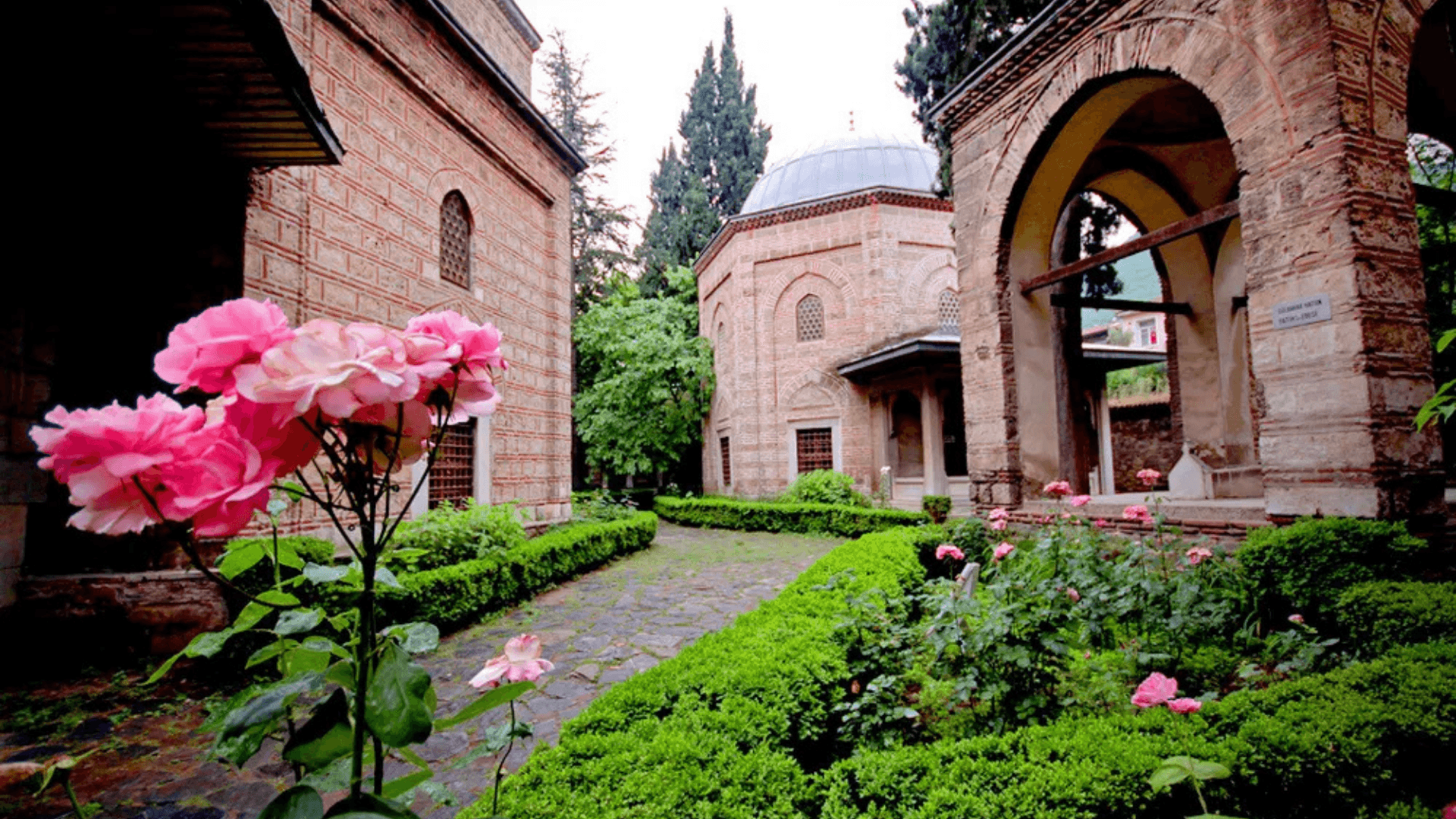
When people think of Türkiye, they picture ancient ruins, grand mosques, and bustling bazaars. But hidden beyond the famous landmarks lies another treasure: historic gardens that tell the story of civilizations through landscape, design, and nature.
These gardens are not just green spaces. They are living reflections of empires, cultures, and philosophies that shaped Anatolia for thousands of years. Here are some of the most beautiful historic gardens in Türkiye that most travelers never discover.
1. Ottoman Palace Gardens of Istanbul
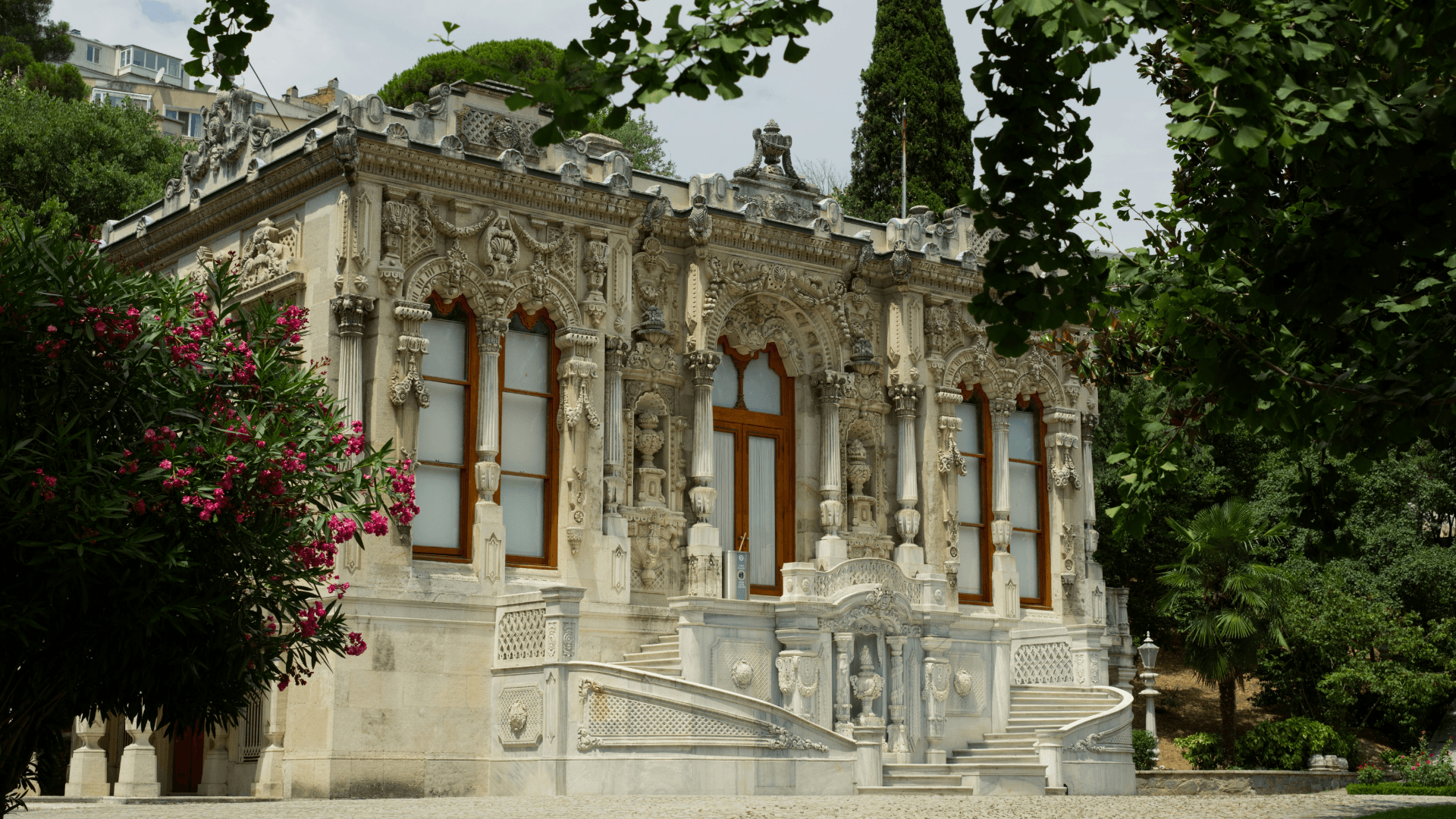
Behind the ornate walls of Istanbul’s imperial palaces lie gardens designed as symbols of paradise. Inspired by Islamic garden traditions, these spaces combine flowing water, symmetry, shade, and seasonal flowers to create a sense of serenity.
Tulips, once a symbol of the Ottoman Empire, were first cultivated here long before they became famous in Europe. Walking through these gardens is like stepping into a living painting. Where architecture and nature exist in perfect balance.
2. Botanical Heritage Gardens Along the Bosphorus
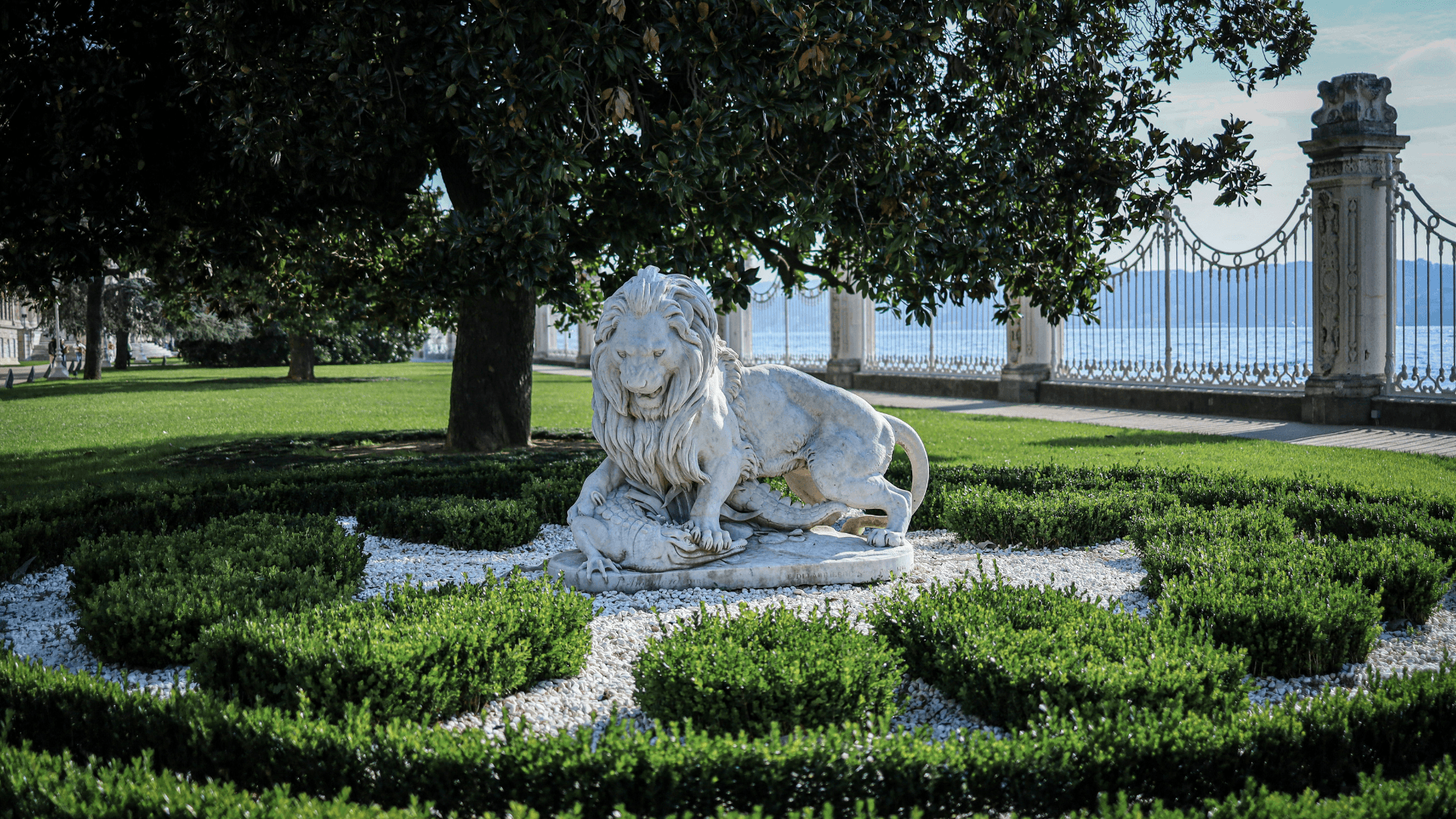
During the Ottoman period, wealthy families created elaborate waterfront gardens filled with rare plants brought from across the empire. Today, some of these historic gardens still survive, offering a glimpse into the botanical curiosity and refined garden culture of past centuries.
Many of these gardens are hidden behind historic mansions, unknown to most visitors, yet they hold stories of trade, diplomacy, and design evolution.
3. Imperial Garden Traditions in Bursa
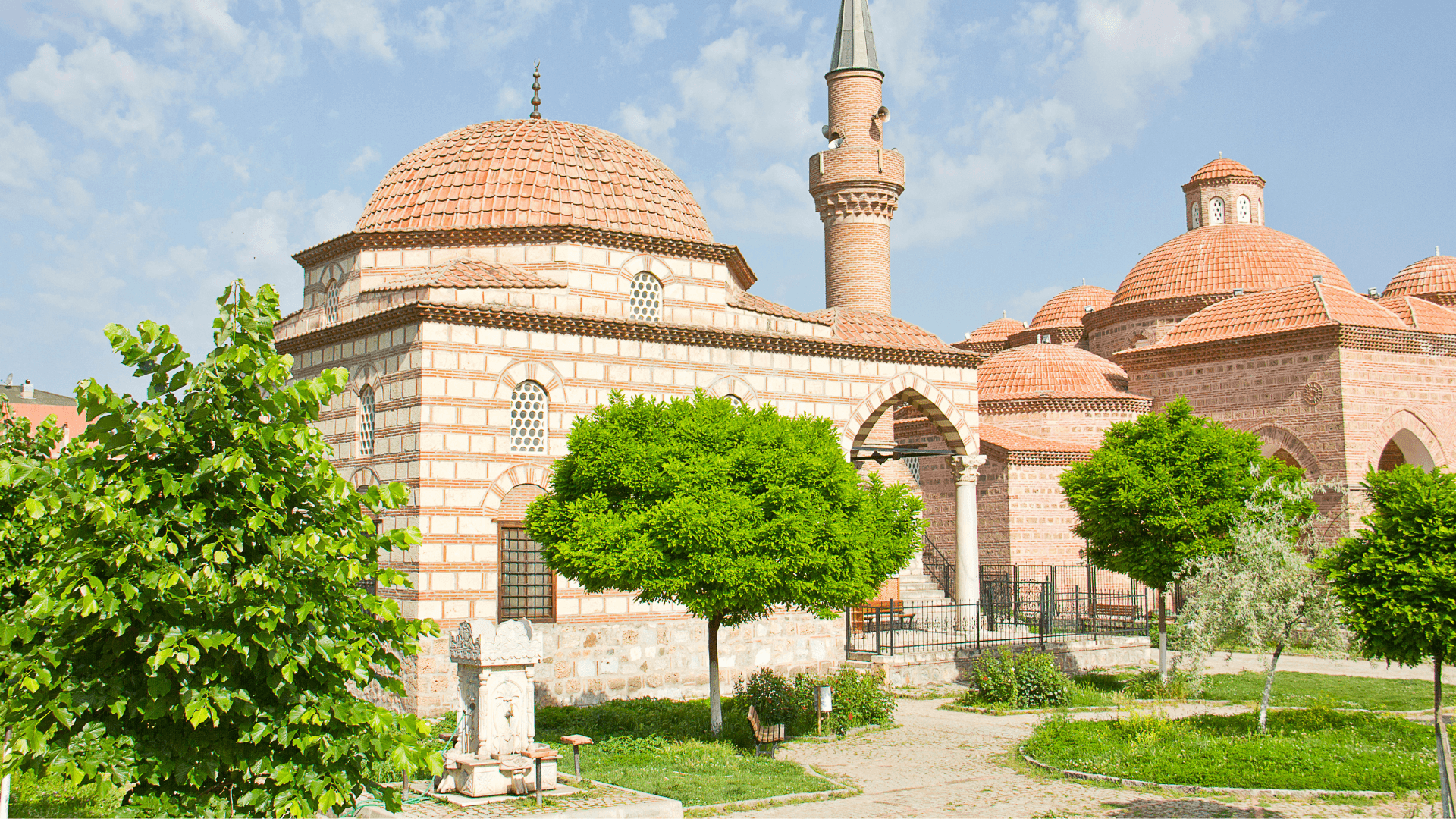
Before Istanbul became the imperial capital, Bursa was the heart of early Ottoman garden culture. Here, gardens were designed as peaceful retreats connected to mosques and külliye complexes, where nature played a spiritual and architectural role.
The use of water channels, terraces, and fruit trees reflected both functionality and symbolism; a vision of abundance and harmony.
4. Anatolian Courtyard Gardens
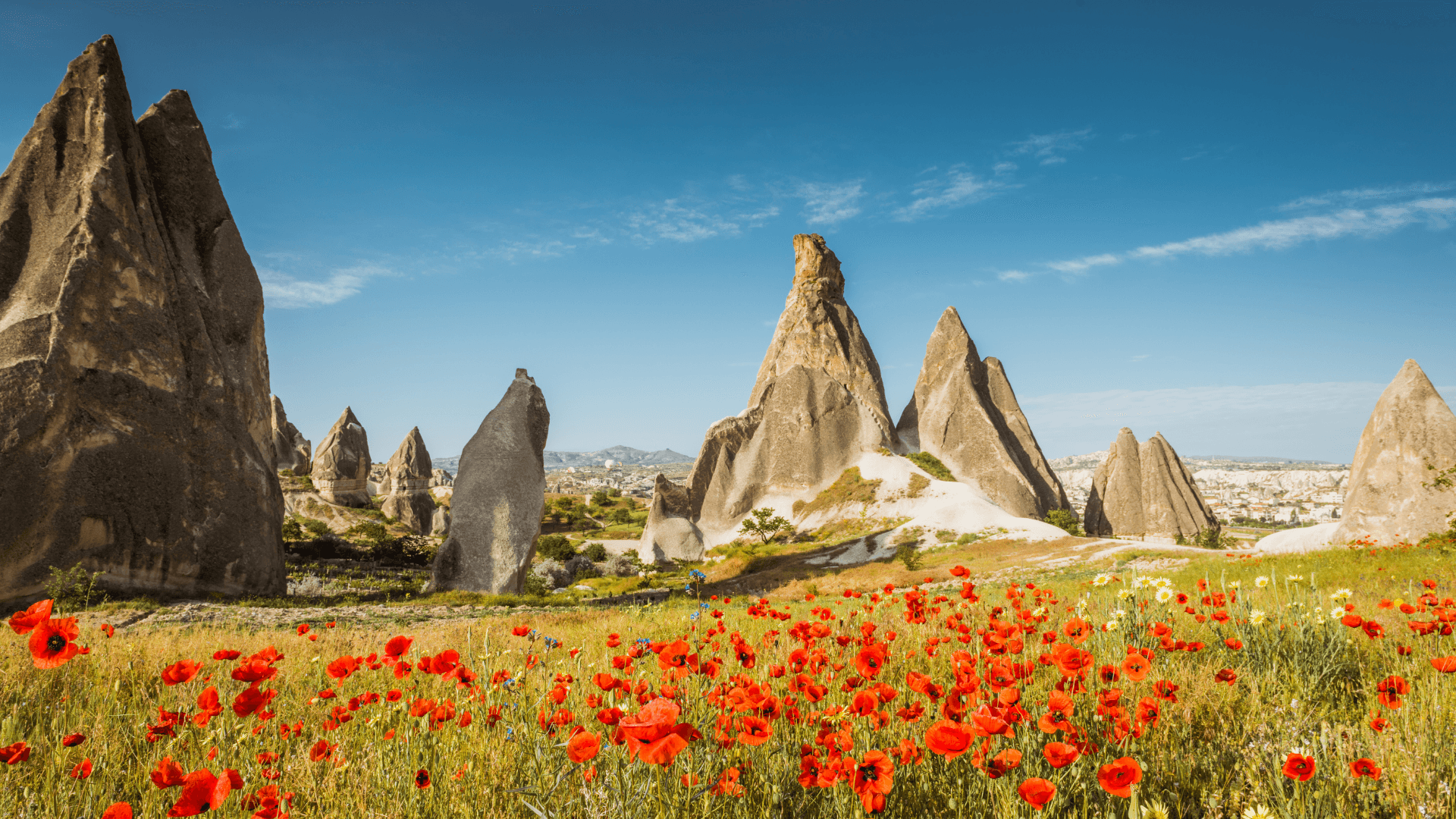
In central and eastern Türkiye, traditional courtyard gardens reveal another side of garden history. Designed for privacy and climate control, these enclosed green spaces provided shade, fragrance, and a connection to nature within domestic life.
Often overlooked, these gardens show how everyday people integrated landscape design into daily living centuries ago.
5. Hidden Monastic and Spiritual Gardens
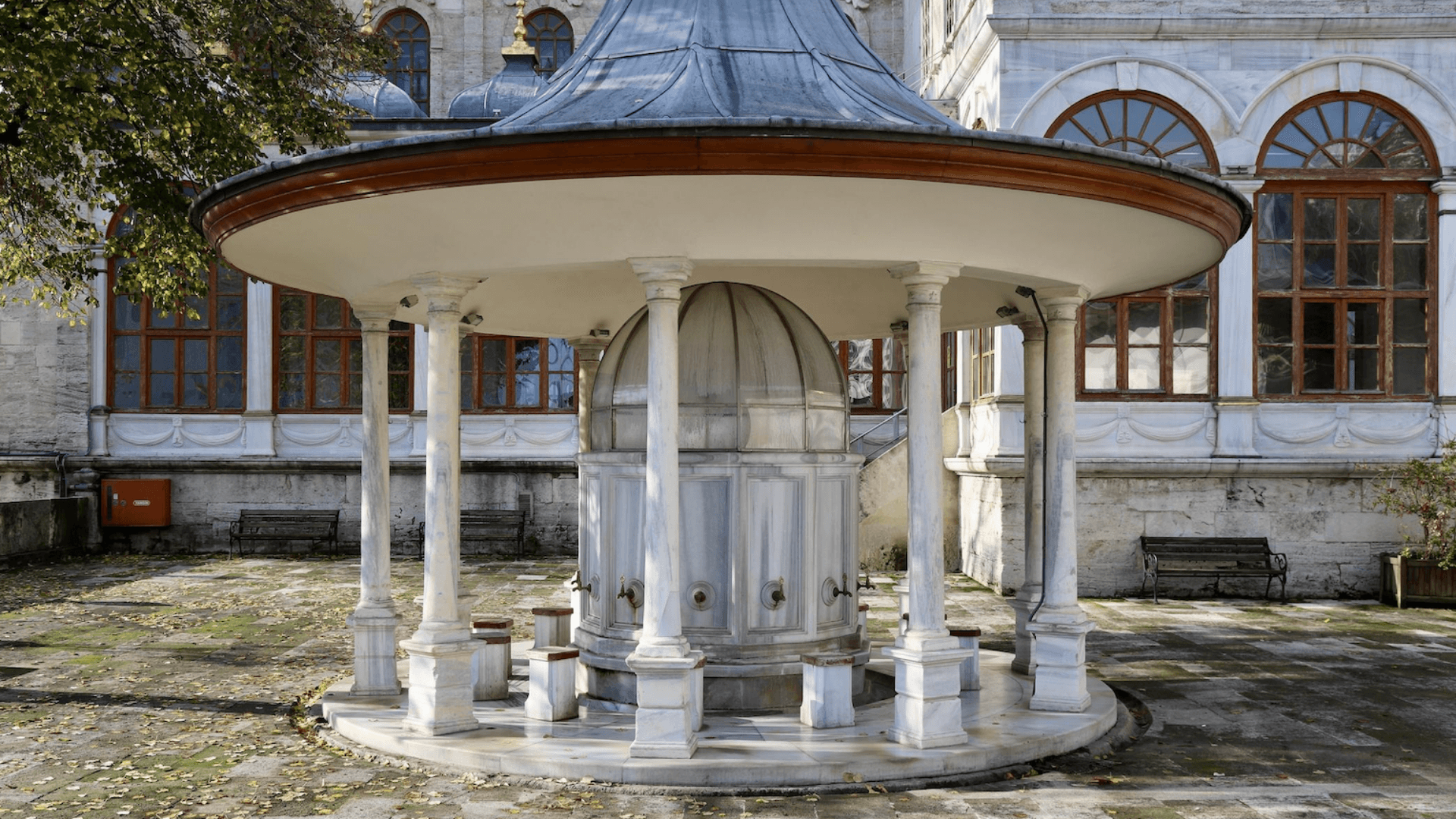
Across Türkiye, ancient monasteries and religious sites maintained gardens not only for food and medicine, but for contemplation. These spiritual landscapes remind us that gardens were once considered sacred spaces places for reflection, healing, and quiet connection with the earth.
Why Türkiye’s Historic Gardens Are So Special
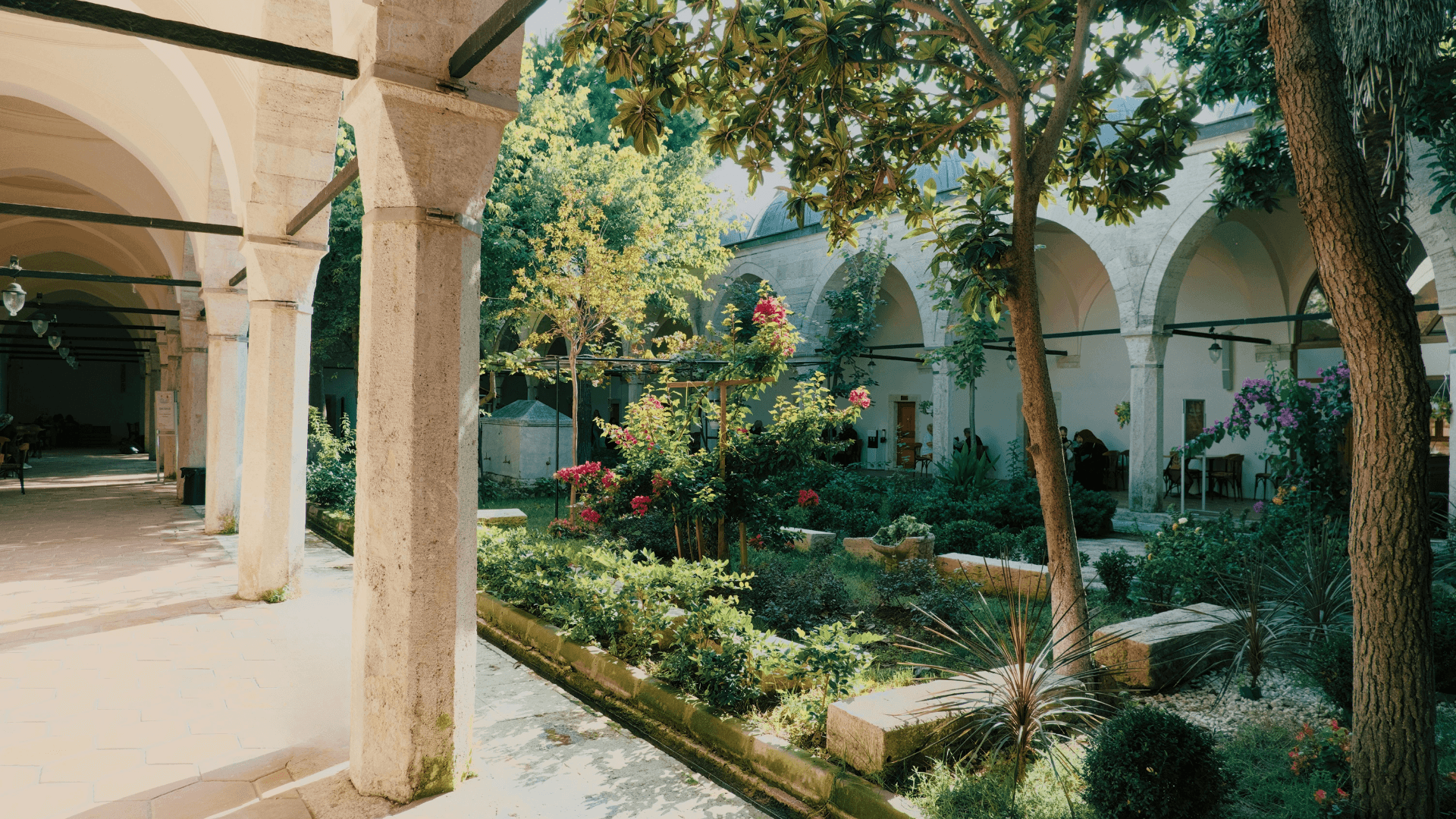
Türkiye sits at the crossroads of civilizations Roman, Byzantine, Seljuk, Ottoman and each left its mark not only on architecture, but on landscape design. Garden styles here blend Middle Eastern symbolism, Mediterranean climate adaptation, and Central Asian influences, creating a garden heritage found nowhere else in the world.
Yet, most travelers never see these places. They remain hidden, accessible mainly through expert-guided cultural journeys.
Experience These Gardens in Real Life
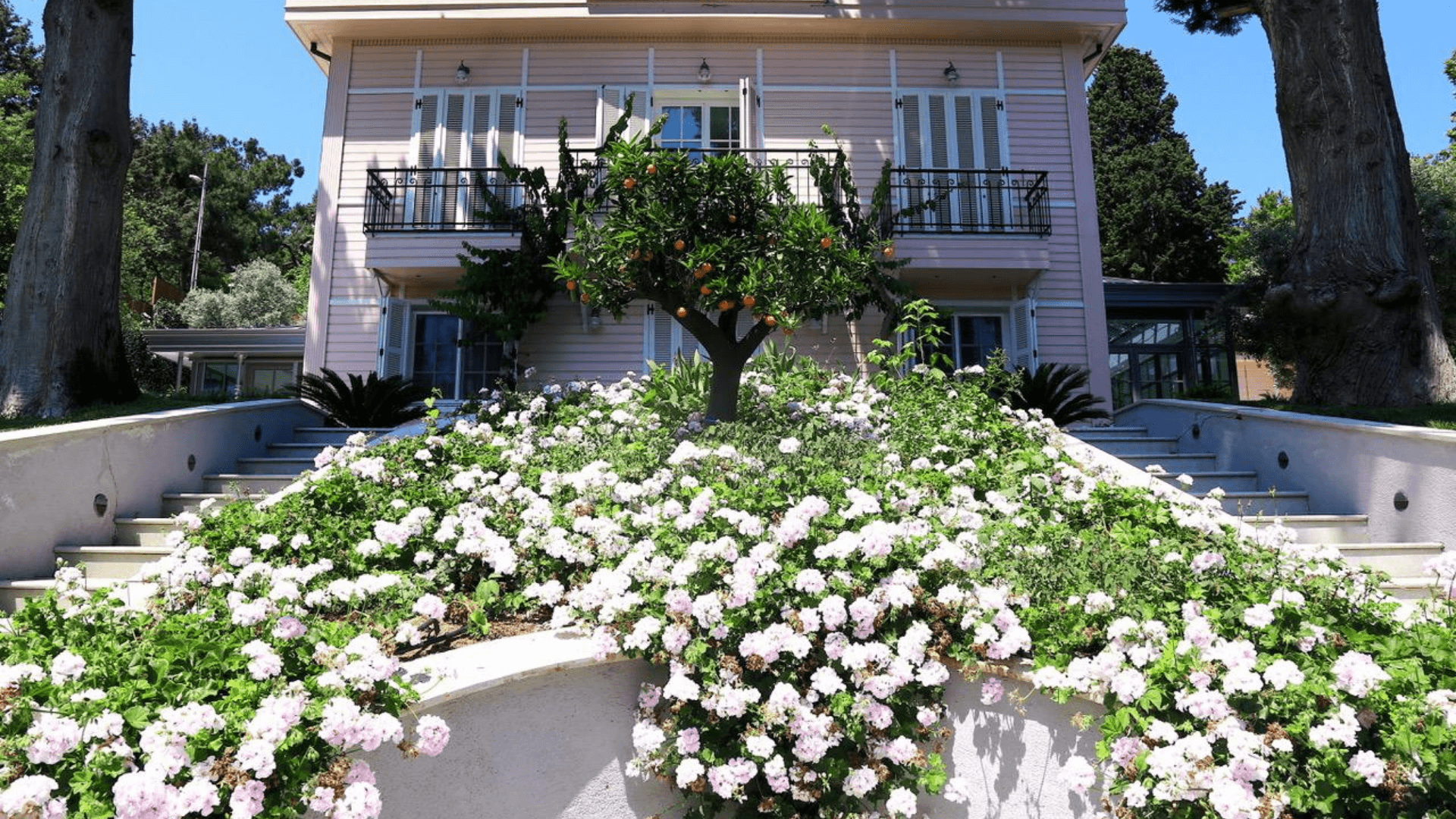
For travelers who love history, landscape design, and meaningful cultural experiences, exploring Türkiye’s historic gardens offers a completely different perspective on the country.
The Gardens of Humanity Tour was created for exactly this purpose to reveal the hidden garden heritage of Türkiye through expert guidance, private access, and in-depth storytelling. Instead of just visiting monuments, you walk through living landscapes that shaped civilizations.
A Journey Beyond the Usual Tourist Trail
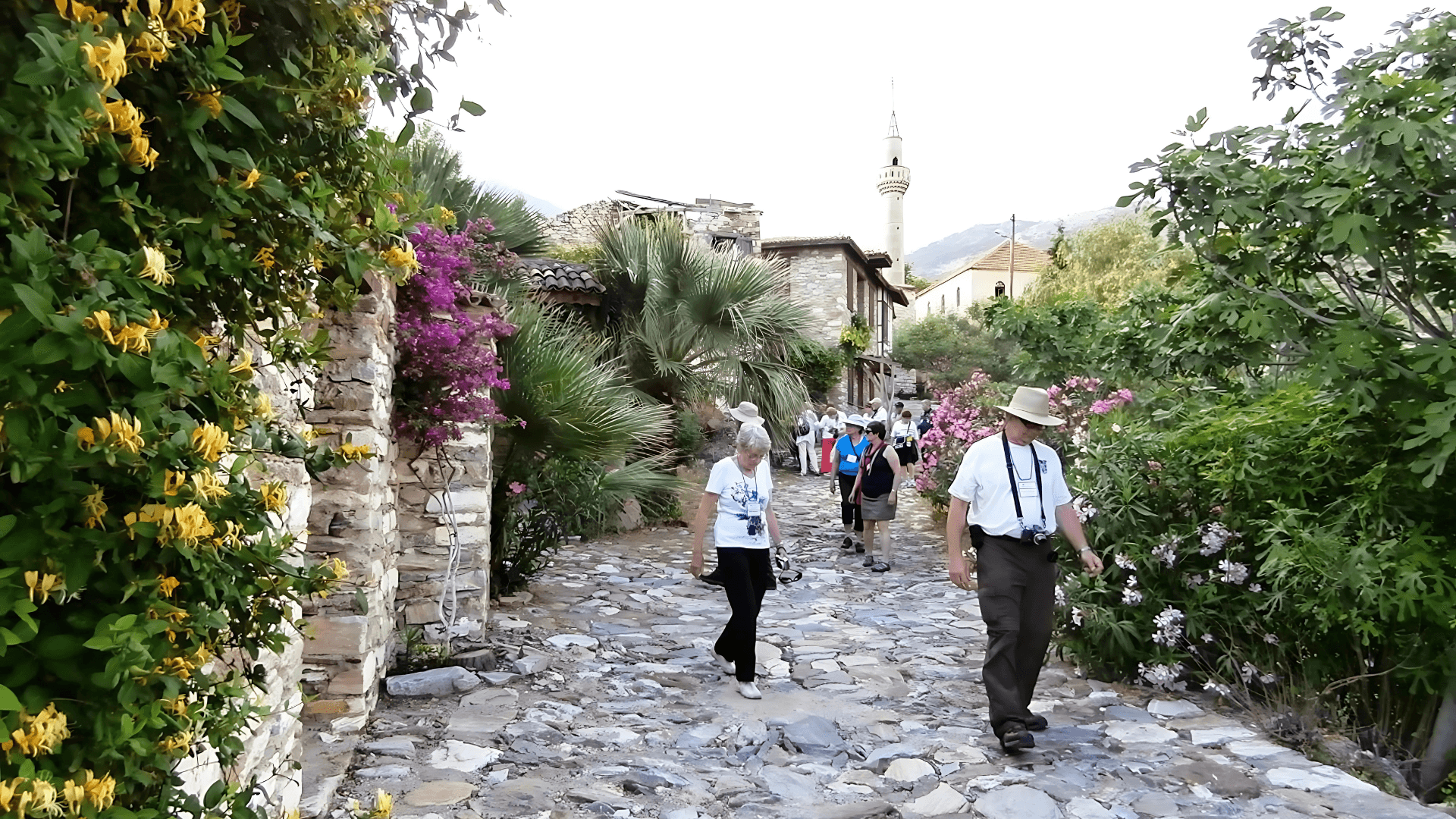
Historic gardens are more than beautiful places. They are cultural documents written in trees, water, and stone. Visiting them transforms the way you see history, architecture, and even nature itself.
If you’re looking for a travel experience that combines culture, beauty, and depth, Türkiye’s hidden historic gardens might be the most unforgettable journey you haven’t taken yet.
You may also like

Best Cultural Tours in Türkiye for 2027: Discover History, Culture & Authentic Experiences
Tutku Özcan

Slow Travel in Türkiye: Discover Culture, History & Authentic Experiences
Tutku Özcan

Why Türkiye is the Top Experiential Travel Destination in 2026
Tutku Özcan

Is Türkiye Safe to Travel Right Now? | 2026 Travel Update
Tutku Özcan
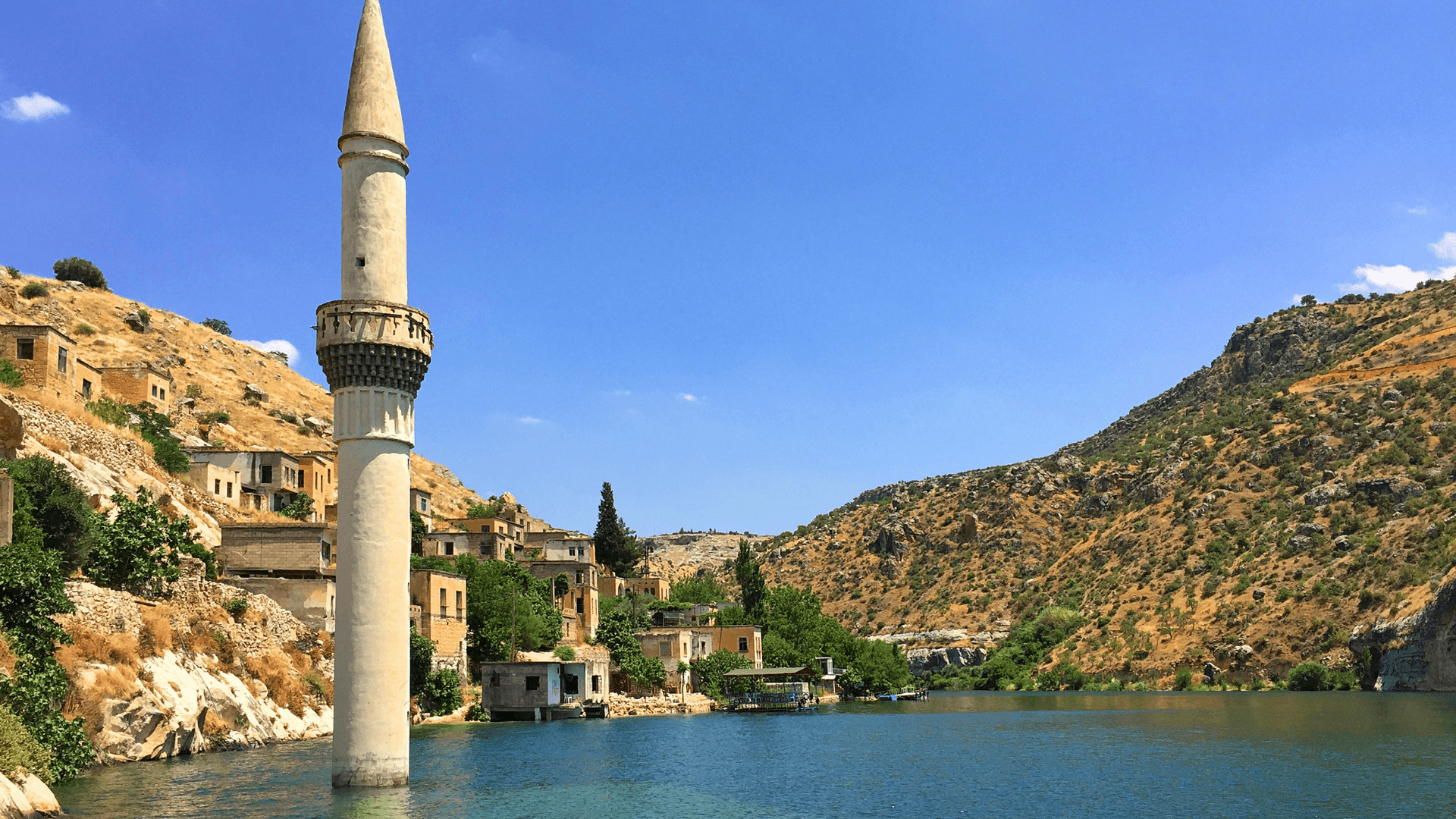
Eastern Türkiye Travel Guide: Discover the Cradle of Civilization
Tutku Özcan